
The Constitution of India is the supreme law of the country. It establishes the framework within which the Central Government, State Governments, public authorities and other constitutional institutions must exercise their powers. Government authorities are expected to act according to the law, respect fundamental rights and follow the procedures prescribed by applicable legislation.
However, situations may arise where a government authority exceeds its legal powers, takes an arbitrary decision, violates an individual’s fundamental rights or fails to perform a duty imposed by law. In such circumstances, the Constitution provides legal remedies through which affected individuals can seek judicial intervention.
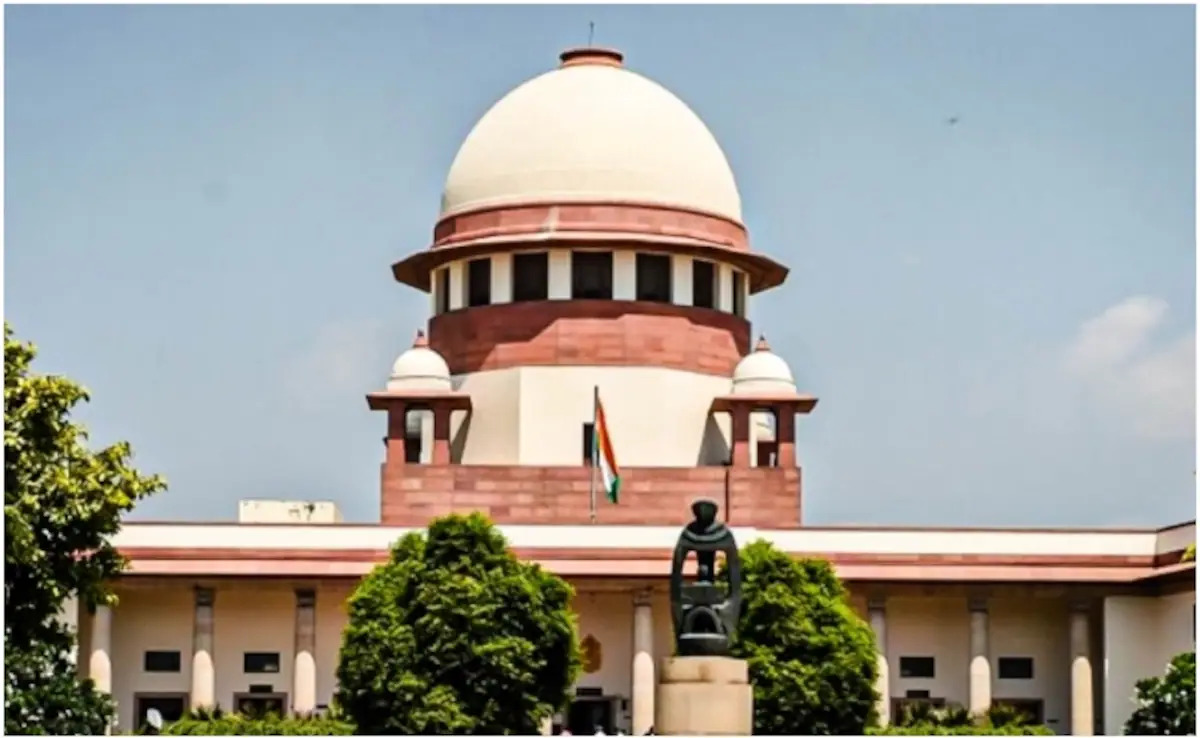
The Supreme Court of India plays a crucial role in protecting fundamental rights and ensuring that government action remains consistent with constitutional principles. Individuals may approach the Supreme Court under Article 32 of the Constitution for the enforcement of fundamental rights. High Courts also have extensive writ jurisdiction under Article 226, which can be invoked to protect fundamental rights and address other forms of unlawful administrative action.
Understanding these constitutional remedies is essential for individuals, businesses and organisations seeking legal protection against decisions or actions that may violate their rights.
What Constitutes Unlawful Government Action?
Unlawful government action refers to an act, decision, omission or exercise of power by a public authority that is inconsistent with the Constitution, applicable legislation or established legal principles.
Government authorities have powers to regulate public affairs, enforce laws, collect taxes, maintain public order and implement government policies. However, these powers are not unlimited. Every authority must operate within the boundaries established by law.
Government action may be challenged in appropriate cases where it involves:
- Violation of fundamental rights: An action that unlawfully interferes with rights protected under Part III of the Constitution.
- Arbitrary decision-making: A decision that is unreasonable, discriminatory or inconsistent with applicable constitutional standards.
- Excess of legal authority: An authority acting beyond the powers granted to it by legislation.
- Violation of natural justice: A decision made without a legally required opportunity to be heard or without following applicable procedural safeguards.
- Failure to perform a legal duty: An authority refusing or neglecting to perform a public duty imposed by law.
- Unlawful detention: A person’s liberty being restricted without sufficient legal authority or compliance with applicable law.
Not every adverse government decision is automatically unlawful. Whether an action can be challenged depends on the relevant facts, the governing law, the authority’s powers and the legal grounds available to the affected person.
Constitutional Provisions Protecting Citizens Against Unlawful Government Action
The Constitution provides several safeguards to prevent the arbitrary exercise of government power.
1. Article 14: Right to Equality
Article 14 guarantees equality before the law and equal protection of the laws. It requires the State to comply with constitutional standards of equality and non-arbitrariness.
If a public authority treats similarly situated individuals differently without a legally sustainable basis, or takes an arbitrary decision, the affected person may have grounds to challenge the action under Article 14.
For example, a government department may face a legal challenge if it applies eligibility requirements inconsistently or discriminates between individuals in circumstances where the distinction is constitutionally impermissible.
Whether Article 14 has been violated depends on the facts and the applicable legal principles.
2. Article 19: Protection of Certain Fundamental Freedoms
Article 19 protects specified freedoms, including freedom of speech and expression, peaceful assembly, association, movement, residence and profession, subject to the applicable constitutional limitations.
Government restrictions affecting these freedoms must satisfy the requirements of the relevant constitutional provision. For example, restrictions on speech must be assessed under Article 19(2), while restrictions on other protected freedoms must be evaluated under the applicable clauses of Article 19.
An individual may challenge a restriction where there are legally sustainable grounds to argue that the government has exceeded its authority or failed to satisfy the applicable constitutional requirements.
3. Article 21: Protection of Life and Personal Liberty
Article 21 provides that no person shall be deprived of life or personal liberty except according to procedure established by law.
The Supreme Court has interpreted Article 21 broadly, recognising its importance in protecting human dignity, liberty and other interests connected with a constitutionally protected life.
Government action affecting personal liberty must comply with applicable legal and constitutional requirements. Depending on the circumstances, an affected individual may seek judicial review of unlawful detention, procedural violations or other government measures alleged to infringe Article 21.
4. Article 32: Constitutional Remedies Before the Supreme Court
Article 32 guarantees the right to approach the Supreme Court for the enforcement of fundamental rights. It empowers the Court to issue appropriate directions, orders and writs for that purpose.
Article 32 is particularly important when a person seeks constitutional protection against a violation of a right guaranteed under Part III of the Constitution.
However, Article 32 is not a general appellate mechanism for correcting every administrative or legal error. A petition must raise a legally sustainable issue concerning the enforcement of fundamental rights.
The Supreme Court’s official jurisdiction page explains the scope of its constitutional and writ jurisdiction.
Article 32 vs Article 226: Which Court Can You Approach?
One of the most important considerations when challenging government action is selecting the appropriate legal remedy.
Article 32 and Article 226 both provide access to constitutional courts, but their scope differs.
Article 32 — Supreme Court of India
Article 32 concerns the enforcement of fundamental rights guaranteed by Part III. A person whose fundamental rights have been violated may approach the Supreme Court through an appropriate proceeding, subject to the applicable legal requirements.
Article 226 — High Courts
Article 226 empowers High Courts to issue writs for the enforcement of fundamental rights and for other legal purposes. Its scope is therefore wider in terms of the kinds of legal rights and purposes for which writ jurisdiction may be exercised.
A High Court may examine challenges to administrative decisions, unlawful exercises of statutory power and other public-law disputes where the requirements for writ jurisdiction are satisfied.
The appropriate forum depends on the nature of the dispute, the relief sought, the territorial jurisdiction of the court and any applicable statutory remedy.
In many cases involving local administrative decisions, a High Court may be the practical starting point. Article 32 remains a constitutional remedy for enforcing fundamental rights, rather than a substitute for every available appeal or statutory proceeding.
Types of Writs Available to Challenge Unlawful Government Action
The Constitution recognises five principal types of writs that may be issued by the Supreme Court under Article 32 and by High Courts under Article 226, subject to the scope of their respective jurisdictions.
1. Habeas Corpus
Habeas corpus is a remedy used to challenge unlawful detention and protect personal liberty.
A petition may be appropriate where a person is allegedly detained without lawful authority or where the legality of continued detention requires judicial examination.
The court examines the circumstances of detention and may grant appropriate relief if the legal requirements are satisfied.
2. Mandamus
Mandamus is a judicial direction requiring a public authority or other legally amenable body to perform a public or legal duty that it is required to perform.
For example, a writ petition may be considered where an authority unlawfully refuses to decide an application despite having a legal duty to do so.
Mandamus does not ordinarily compel an authority to exercise its discretion in a particular way where the law leaves that discretion to it.
3. Certiorari
Certiorari is a remedy through which a superior court may quash an order or decision of an appropriate lower court, tribunal or authority where recognised legal grounds exist.
Such grounds may include a lack of jurisdiction, an excess of jurisdiction or a legally significant error warranting judicial intervention.
The availability of certiorari depends on the nature of the decision and the applicable principles of judicial review.
4. Prohibition
Prohibition is a preventive remedy through which a superior court may restrain an appropriate lower court, tribunal or authority from continuing proceedings beyond its lawful jurisdiction.
It may be relevant where a body is proceeding in a matter it has no legal authority to decide.
5. Quo Warranto
Quo warranto is used to question the legal authority by which a person holds a public office.
A court may examine whether the appointment or occupation of a public office complies with the applicable constitutional or statutory requirements.
These writs serve different purposes. The appropriate remedy must be selected according to the nature of the alleged violation and the relief required.
How to Challenge Unlawful Government Action in India
An individual considering constitutional litigation should take a structured approach before filing a petition.
Step 1: Identify the Government Action
Identify the specific decision, order, notice, administrative action or failure to act that is being challenged.
Determine which authority took the action, when it occurred and what legal consequences it has created.
Step 2: Collect Relevant Documents and Evidence
Prepare a complete set of relevant records, which may include:
- Copies of government orders, notices and administrative decisions.
- Applications and representations submitted to the authority.
- Acknowledgements and official correspondence.
- Relevant statutory provisions and supporting documents.
- Evidence demonstrating the alleged violation of rights.
- Records of any previous appeal, complaint or legal proceeding.
Accurate documentation helps establish the factual background and identify the legal grounds available.
Step 3: Examine the Available Legal Remedies
Determine whether the governing legislation provides an appeal, review, revision or other statutory remedy.
Courts generally consider the availability of an effective alternative remedy when deciding whether to entertain a writ petition. However, recognised exceptions may apply, including certain cases involving violations of fundamental rights, breaches of natural justice, challenges to the validity of legislation or action wholly without jurisdiction.
The existence of an alternative remedy does not automatically determine the outcome; the relevant facts and applicable law must be assessed.
Step 4: Determine the Appropriate Court
Consider whether the matter should be brought before the jurisdictional High Court under Article 226 or whether a petition under Article 32 before the Supreme Court is appropriate.
Territorial jurisdiction, the nature of the legal right, the authority involved and the relief sought are important considerations.
Some disputes may be governed by specialised statutory procedures or tribunal jurisdiction, which must also be examined.
Step 5: Prepare and File the Petition
A writ petition generally sets out the relevant facts, legal grounds, supporting documents and specific relief requested from the court.
Depending on the case, the petitioner may seek quashing of an unlawful order, a direction requiring the authority to perform a legal duty, protection against unlawful detention or other appropriate relief.
Procedural requirements, court rules, filing formalities and any applicable limitation provisions must be considered.
Step 6: Present the Legal Grounds and Supporting Material
The petitioner must establish a proper legal basis for judicial intervention. The court may examine the authority’s statutory powers, the procedure followed, the evidence available and the constitutional rights involved.
After considering the submissions and applicable law, the court may dismiss the petition, issue directions, quash an order or grant another appropriate remedy.
The outcome depends on the facts, legal grounds and judicial assessment of the case.
The Role of the Supreme Court in Protecting Constitutional Rights
The Supreme Court acts as the highest constitutional court in India and plays a central role in interpreting the Constitution and protecting fundamental rights.
Its jurisdiction includes hearing appropriate petitions concerning the enforcement of fundamental rights, deciding appeals and addressing substantial constitutional questions within its authority.
Judicial review helps ensure that public authorities exercise their powers within constitutional and statutory limits. It also provides a legal mechanism for examining whether government decisions comply with the rule of law.
The Supreme Court’s constitutional role does not mean that every dispute involving a government department must be brought directly before it. The legal framework provides different remedies, and the appropriate forum depends on the nature of the case.
Individuals should therefore evaluate their circumstances carefully before deciding which judicial remedy to pursue.
Why Legal Advice Matters in Constitutional Litigation
Constitutional challenges often involve complex questions of jurisdiction, statutory interpretation, fundamental rights and procedural compliance.
A lawyer can examine the relevant documents, identify possible constitutional violations, assess available remedies and advise on the appropriate court and relief.
Legal assistance can also help distinguish between a decision that is merely unfavourable and one that may be challenged on recognised legal grounds.
Where an urgent issue involves personal liberty, threatened coercive action or a potentially serious infringement of fundamental rights, obtaining prompt legal advice may be particularly important.
Frequently Asked Questions (FAQs)
1. Can a citizen challenge an unlawful government decision in India?
Yes. Depending on the circumstances, a citizen may challenge government action through a statutory appeal, administrative remedy or constitutional proceeding. The appropriate remedy depends on the legal issue, the authority involved and the rights affected.
2. What is the difference between Article 32 and Article 226?
Article 32 allows a person to approach the Supreme Court for enforcement of fundamental rights. Article 226 empowers High Courts to issue writs for enforcement of fundamental rights and for other purposes within their jurisdiction.
3. Can the Supreme Court cancel an unlawful government order?
The Supreme Court may grant appropriate relief where a matter falls within its jurisdiction and the legal grounds for intervention are established. Depending on the case, relief may include quashing an order or issuing directions to the relevant authority.
4. What is a writ petition against a government authority?
A writ petition is a constitutional proceeding seeking judicial relief against an appropriate authority or body. It may challenge unlawful action, an excess of jurisdiction or a failure to perform a legal duty, subject to the applicable requirements.
5. Is a lawyer necessary to file a constitutional petition?
Legal representation is not an absolute requirement in every situation, but constitutional proceedings involve important procedural and legal considerations. Professional legal advice can help determine the appropriate forum, grounds and relief. Supreme Court filing rules may impose specific requirements concerning representation and filing.
6. Can a government authority be challenged for violating fundamental rights?
Yes. Where the facts establish a legally sustainable violation of fundamental rights attributable to State action, an appropriate constitutional remedy may be available. The court will examine the applicable constitutional provisions and circumstances.

