Cheque Dishonour Laws in India: Rights of Payee & Drawer Explained
- Home
- #BankingLaw
- Cheque Dishonour Laws in India: Rights of Payee & Drawer Explained
Posted Mar 2026
Cheque dishonour, commonly known as cheque bounce, is a serious financial and legal issue in India. Governed primarily by the Negotiable Instruments Act, 1881, cheque dishonour cases have increased due to the widespread use of banking instruments in business and personal transactions. Understanding the rights of both the payee (the person receiving the cheque) and the drawer (the person issuing the cheque) is essential to avoid legal complications and ensure financial security.
What is Cheque Dishonour?
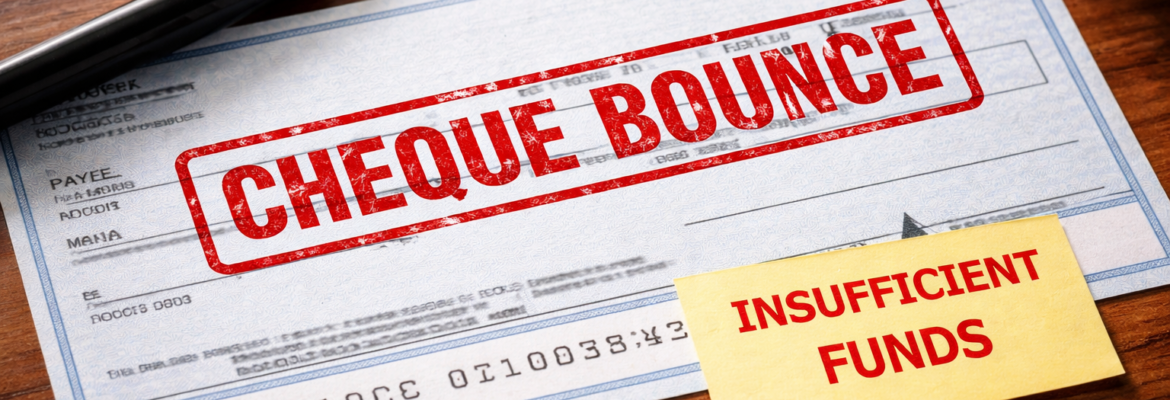
Cheque dishonour occurs when a bank refuses to process a cheque presented for payment. The most common reason is insufficient funds in the drawer’s bank account. However, other reasons include signature mismatch, overwriting, stale cheque, account closure, or stop payment instructions.
When a cheque bounces, it is not just a financial inconvenience but also a legal offence under Section 138 of the Negotiable Instruments Act, 1881.
Legal Framework in India
Section 138 of the Negotiable Instruments Act deals specifically with cheque dishonour due to insufficient funds or if it exceeds the arranged amount. It criminalizes the act and provides legal remedies to the payee.
For a case to fall under Section 138:
- The cheque must be issued for a legally enforceable debt or liability.
- The cheque must be presented within 3 months (validity period).
- The cheque must be returned unpaid by the bank.
- The payee must send a legal notice within 30 days of receiving the cheque return memo.
- The drawer must fail to make payment within 15 days of receiving the notice.
If all conditions are met, the payee can file a criminal complaint within 30 days after the expiry of the notice period.
Rights of the Payee
The payee holds several important legal rights in case of cheque dishonour:
1. Right to Legal Notice
The payee has the right to send a legal notice to the drawer demanding payment within 15 days. This is a mandatory step before initiating legal proceedings.
2. Right to File a Criminal Case
If the drawer fails to pay within the stipulated time, the payee can file a complaint under Section 138. The offence is punishable with imprisonment up to 2 years, a fine up to twice the cheque amount, or both.
3. Right to Compensation
The court may order the drawer to compensate the payee. This ensures recovery of the cheque amount along with possible penalties.
4. Right to File a Civil Suit
Apart from criminal proceedings, the payee can also file a civil suit to recover the money. This is especially useful in high-value transactions.
5. Right to Present the Cheque Again
If the cheque validity has not expired, the payee can re-present the cheque multiple times. However, each dishonour gives rise to a fresh cause of action.
Rights of the Drawer
While the law protects the payee, it also ensures fairness to the drawer:
1. Right to Receive Legal Notice
The drawer has the right to receive a formal legal notice before any legal action is initiated. Without this notice, a case cannot proceed.
2. Right to Make Payment
The drawer gets 15 days after receiving the notice to make the payment and avoid legal consequences. This acts as a final opportunity to settle the matter.
3. Right to Defend the Case
The drawer can defend themselves in court by proving:
- No legally enforceable debt existed
- The cheque was issued as security
- The signature was forged
- There was coercion or fraud involved
4. Right Against False Cases
If the payee files a false or malicious case, the drawer has the right to challenge it and even seek legal action for harassment.
5. Right to Appeal
If convicted, the drawer has the right to appeal in a higher court against the judgment.
Common Reasons for Cheque Bounce
Understanding the reasons can help prevent disputes:
- Insufficient funds
- Account closed
- Signature mismatch
- Post-dated cheque presented early
- Stale cheque (older than 3 months)
- Payment stopped by drawer
Procedure After Cheque Bounce
- The bank issues a cheque return memo stating the reason.
- The payee sends a legal notice within 30 days.
- The drawer gets 15 days to make payment.
- If unpaid, the payee files a complaint in the magistrate court within 30 days.
This structured process ensures fairness and gives both parties a chance to resolve the issue.
Penalties for Cheque Dishonour
If the drawer is found guilty under Section 138:
- Imprisonment up to 2 years
- Fine up to twice the cheque amount
- Both imprisonment and fine
Courts may also encourage settlement or compounding of the offence to reduce litigation burden.
Recent Trends and Developments
In recent years, Indian courts have emphasized speedy disposal of cheque bounce cases. Digital transactions and stricter banking norms have reduced dependency on cheques, but they still play a crucial role in business dealings.
The government and judiciary are also promoting mediation and settlement to resolve such disputes quickly.
Preventive Measures
For Payees:
- Verify the drawer’s credibility before accepting a cheque
- Ensure proper cheque details
- Deposit the cheque promptly
For Drawers:
- Maintain sufficient balance
- Avoid issuing blank or post-dated cheques unnecessarily
- Track issued cheques carefully
Conclusion
Cheque dishonour laws in India aim to maintain trust in financial transactions while protecting both parties involved. The payee is empowered with strong legal remedies to recover dues, while the drawer is given fair opportunities to rectify mistakes and defend against unjust claims.
Understanding these rights and responsibilities can help individuals and businesses avoid legal trouble and maintain financial discipline. Whether you are issuing or receiving a cheque, awareness of the law is your best protection.